
Frozen Shoulder: Effective Treatment Options
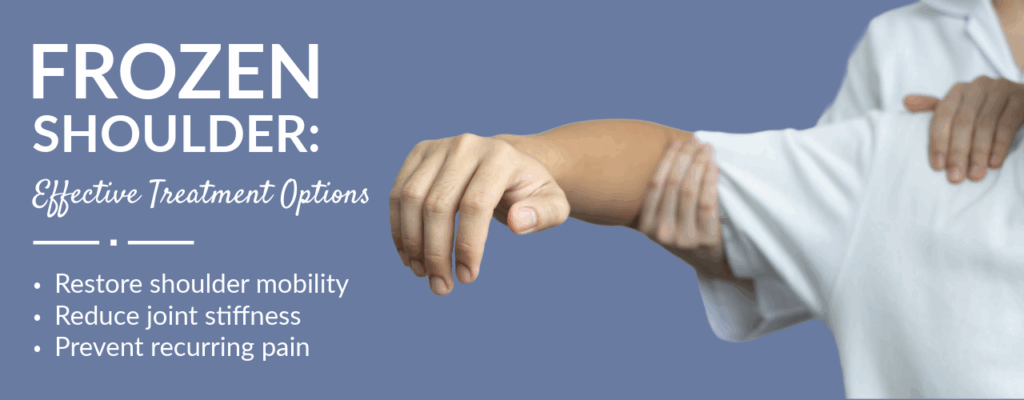

If you have ever woken up with a stiff, aching shoulder that will not move as it used to, you know how frustrating and limiting frozen shoulder can be. Far from being a minor nuisance, this condition can make simple tasks like getting dressed, reaching overhead, or sleeping through the night seem impossible. The good news is that frozen shoulder treatment has come a long way. At Kleinpeter PT, we offer several options to help you find relief, regain mobility, and return to your normal routine.
The Anatomy of a Stiffened Shoulder
Frozen shoulder develops when the capsule surrounding the shoulder joint becomes inflamed and tight, significantly reducing your range of motion. This process often begins gradually and can last months or even years if left untreated.
While the exact cause is not always clear, it is more common in individuals recovering from shoulder injuries, those with certain medical conditions like diabetes, or people who have experienced prolonged immobility due to surgery or injury.
The Three Stages of Frozen Shoulder
Frozen shoulder is somewhat unique in that it moves through three distinct stages, each with its own symptoms and concerns:
Freezing Stage
- This initial phase involves increasing pain and stiffness. Movement becomes progressively limited, and even basic activities like reaching overhead or behind the back can feel nearly impossible.
Frozen Stage
- During this stage, pain may start to ease slightly, but stiffness remains pronounced. Many people notice their shoulder feels “locked,” making simple tasks like dressing or lifting objects challenging.
Thawing Stage
- Gradual improvement occurs during this phase. Your range of motion slowly returns, and your joint feels less restricted. However, without guided care, progress can be slow and incomplete.
Exploring Frozen Shoulder Treatment: Restoring Motion and Comfort
The primary goal of frozen shoulder treatment is to reduce pain, improve function, and restore mobility. While time alone can sometimes bring improvement, guided treatment dramatically accelerates recovery and helps prevent long-term stiffness.
Physical Therapy: Your Pathway to Shoulder Recovery
Fortunately, physical therapy is one of the most effective approaches. By addressing the root causes of stiffness and guiding the shoulder through safe, progressive movements, our team helps patients regain confidence in their daily activities.
We usually start with gentle stretches and manual therapy techniques to help manage pain and encourage movement. Eventually, we advance to strengthening exercises that improve joint stability and prevent recurrence.
One significant benefit of physical therapy is its adaptability. Whether you are in the painful freezing stage or working through the thawing phase, your treatment plan can evolve to meet your changing needs. This personalized care helps you experience meaningful improvements while reducing the likelihood of long-term functional limitations.
The Benefits of Early and Consistent Treatment
Seeking treatment early can significantly improve your recovery outcomes. Early intervention often leads to reduced pain, faster restoration of motion, and enhanced overall shoulder function.
However, consistency is equally critical. Regularly attending therapy sessions, performing home exercises, and following professional recommendations help ensure steady progress.
Finding Support for Your Shoulder Health
Dealing with a frozen shoulder can be frustrating, but recovery is possible with the right guidance. From understanding the stages of healing to participating in personalized frozen shoulder treatment, patients who engage actively in their care often achieve better and faster results.
If you are struggling with shoulder pain or stiffness, now is the time to take the first step toward relief. Explore the personalized care options at Kleinpeter PT and begin your journey to unfreezing your shoulder for good.