


Ready to Spring Into Action?
Tips for Preventing Foot and Ankle Injuries From Running Or Walking
The days are longer, but the temperatures are nowhere near their summertime highs yet. There’s no doubt about it: spring is a fantastic time to participate in outdoor physical activity!
Many of our patients take advantage of the lovely spring weather by hitting the trails. But whether you’re walking, jogging, or running, it’s important to protect your feet and ankles from injury–especially if you’re starting again after a period of inactivity.
Today, we want to share some common foot and ankle injuries so you know what to watch out for, plus tips from the Kleinpeter Physical Therapy team on how to keep your lower body safe.
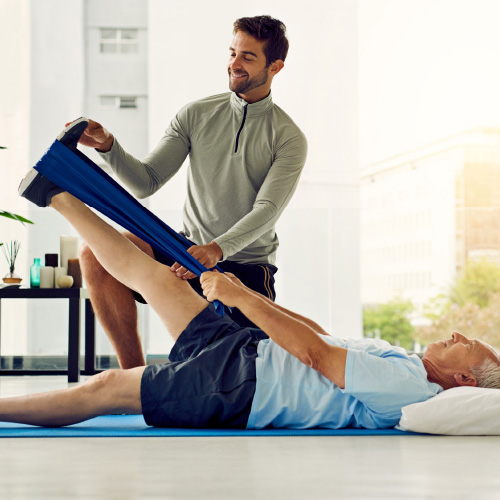
Foot and Ankle Injuries That Walkers, Runners, and Joggers Should Know
Plantar Fasciitis
- Degenerative micro-tearing to the band of tissue along the bottom of the foot, which causes heel pain
Ankle Sprains
- Overstretching or tearing of the ligaments in the ankle, leading to pain and limited mobility
Achilles Tendinitis
- Irritation and swelling of the Achilles tendon, leading to pain at the back of the heel
Stress Fractures
- Tiny cracks in the bones of the foot or ankle
Shin Splints
- Pain along the shin bone
Why Do These Injuries Occur?
Several factors contribute to foot and ankle injuries. Most develop due to a combination of repetitive stress, improper walking or running patterns, and inadequate recovery.
Running and jogging place significant force on the lower limbs, with each step exerting pressure on bones, tendons, and ligaments. While walking causes less impact, it still exerts pressure, especially if you haven’t been active in a while.
When the body does not have enough time to adapt, overuse injuries such as stress fractures, tendonitis, and plantar fasciitis can develop. Other contributing factors include improper footwear, muscle imbalances, and poor running form.
Fortunately, taking proactive steps can reduce the likelihood of injuries and keep you moving comfortably.
PT-Approved Tips to Prevent Foot and Ankle Injuries
Gradually Increase Activity
- We know it’s tempting to make the most of the nice weather, but try to avoid sudden increases in intensity or distance. A gradual progression gives your tissue time to adapt without excessive strain.
Strengthen Supporting Muscles
- Weak ankles and feet are more prone to injury. Targeted strengthening exercises improve stability and reduce injury risk. Our PTs can help you develop a personalized training program suited to your goals and abilities.
Mind Your Running Surface
- Uneven terrain, hard pavement, and poor trail conditions can contribute to falls and stress injuries, especially if you’re out of practice. When possible, choose softer surfaces like grass, dirt paths, or tracks.
Wear Proper Footwear
- Choose shoes that provide adequate support and cushioning. Sneakers should match your foot type, the surface you’ll be using, and the sort of movement you’ll be doing (i.e., running versus walking). Replace worn-out shoes before they lose their support.
Don’t Skip Your Warm Up
- Before heading out, loosen up your muscles with dynamic stretches and light cardio. For example, if you’re running, jog for a few minutes. If you’re walking, start slowly and gradually build your speed.
Maintain Proper Form
- Whether you’re walking, jogging, or running, poor biomechanics can increase your risk of injury. We suggest scheduling a gait assessment to pinpoint any issues that cause problems so you can address them directly.
Rest and Recover
- Listen to your body and remember that overtraining increases the risk of chronic injuries. If you experience persistent pain during or after your sessions, schedule an appointment to find out what’s going on.
Make the Most of Spring: Kleinpeter Physical Therapy Is Here to Help!
We love seeing our patients get active, and our team is standing by with effective strategies to reduce injury risk and support recovery when injuries occur. We tailor all treatments to meet your needs, focusing on mobility, strength, and proper movement patterns.
The season’s lovely weather makes spring a perfect time to get active, but taking the right precautions is key to avoiding setbacks before summer hits. Schedule an appointment with us today to learn more about how we can help you stay on track!

Say Goodbye to Pain – Come Back to PT!
Don’t let back pain dictate your life’s story. Reach out to Kleinpeter Physical Therapy to learn how physical therapy can be the first step towards a back pain-free life!
Seasonal Recipe:
Slow Cooker Irish Stew
- 1 tablespoon olive oil, or to taste
- 2 pounds beef chuck roast
- 3 russet potatoes, diced
- 1 pound baby carrots
- 1 large onion, chopped
- 4 cloves garlic, minced
- 1 (16 ounce) bottle stout beer
- 1 (6 ounce) can tomato paste
- 1 cup beef broth
- 1 tablespoon garlic powder
- 1 tablespoon onion powder
- 1 tablespoon smoked paprika
- salt and ground black pepper
Heat olive oil in a skillet over medium heat. Add beef; cook until evenly browned, 3 to 5 minutes per side. Place potatoes, carrots, onion, and garlic in a slow cooker; top with browned beef. Pour 1/4 cup beer into the same skillet and bring to a boil while scraping the browned bits of beef off of the bottom of the skillet with a wooden spoon. Stir in tomato paste; cook until thickened, about 5 minutes. Pour beer mixture into slow cooker. Pour beef broth, remaining beer, garlic powder, onion powder, paprika, salt, and pepper into slow cooker. Cook on Low for 8 hours.
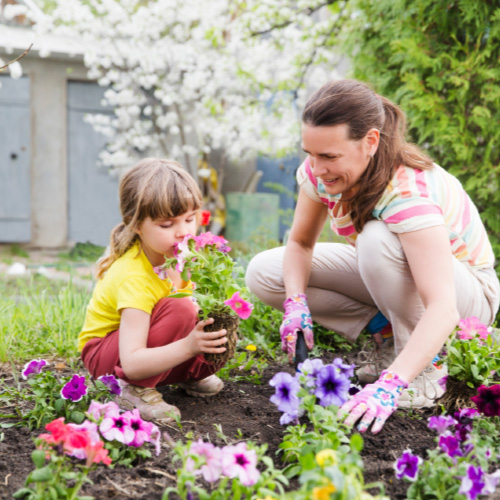
Dive into Spring Gardening Without the Back Pain
As flowers start blooming and southern gardens come alive, don’t let back pain hinder your green thumb efforts this spring. At Kleinpeter Physical Therapy, we’re committed to helping you get back in your garden by addressing your back pain concerns.
Our expert assistance ensures you:
- Find relief from pain, preparing you for those gardening sessions.
- Restore your mobility and strength to plant, prune, and pick with ease.
- Share gardening tips and fresh produce with friends and family without the shadow of back pain.
Our treatments are crafted for your distinct needs. This spring, turn a new leaf without pain—connect with us today and let your wellness blossom alongside your garden!

Follow Us on Social Media!
Are Your Shoes the Cause of Your Foot Pain?
Who doesn’t love a great pair of shoes, especially when they’re the final touch on a knockout outfit? Unfortunately, shoes are more than just a fashion statement–they can also contribute to foot pain.
At Kleinpeter Physical Therapy, we can let you know for certain if your shoes are causing your foot-related woes. In the meantime, here are some simple guidelines to remember the next time you go shoe shopping.
A Physical Therapist’s Guide to Finding the Perfect Shoe
- Make sure it fits. Cinderella’s stepsisters learned it the hard way: it doesn’t matter what a shoe looks like if it doesn’t fit your foot. If your shoes are too tight or restrictive, your feet will not have full mobility, leading to pain and other discomfort.
- Pointed toes are out this season. Those fierce pointy-toed shoes might look great, but they squeeze your toes together in a way that can cause problems in your toe joints.
- So are high heels. A severe high heel looks fabulous (and sounds even better), but it forces your foot into an unnatural shape, leading to significant impacts on the overall health of your feet–not to mention a higher risk of sprained ankles, lower back pain, and balance issues!
- But comfort and support are in. The best shoes are the ones that feel good while wearing them and after you take them off. In most cases, these shoes provide your foot with the support it needs to work correctly, ensuring the foot is protected and feeling good.
Okay, so our physical therapists may not be your first choice for fashion tips–but we can help you avoid persistent, debilitating foot pain. Schedule an appointment today to learn more about the right shoes for healthy feet!

Share Your Success Story
Love your experience with Kleinpeter Physical Therapy? Click the button to leave us a Google review—your feedback helps others find the care they need!
Thank You for Subscribing to Kleinpeter Physical Therapy
Refer a Friend

Our purpose at Kleinpeter Physical Therapy is to leave a greater impact on the community around us. In order to achieve our goal we want to change as many lives as possible as we become a beacon of positivity in our community.